

Nigeria is a country of staggering numbers. We are a nation of over 230 million people. We have a housing deficit estimated at 28 million units. But the most important number is the age of our population. The vast majority of Nigerians are under the age of 30.
This demographic reality presents a profound contradiction. We have a young, vibrant population that is increasingly digital-native. They live on their phones, work in the gig economy, and transact on apps. Yet, when they attempt the most significant purchase of their lives, buying a home, they are forced into a process built for a different century. They are met with demands for physical paper trails, rigid collateral, and manual verification processes. These demands exclude the very economic engine driving our country forward.
The Nigerian mortgage sector is standing at a precipice. The old models of “armchair banking” are effectively dead. The market is ripe and abundant, but the sector seems hesitant to tap into it. To bridge this gap, we must look at the revolution that has already happened right under our noses. This is the fintech disruption of the payments sector.
We cannot solve a 21st-century housing crisis with 20th-century banking tools. MortgageTech is the answer. The inevitability of this change is driven by technology disruptions in mortgage financing that are already reshaping markets globally.
Here are the four shifts defining the future of housing in Nigeria.
1. The Rise of the “Invisible Borrower”
The first disruption is in how we see credit. For decades, lenders have equated “creditworthy” with “formally employed.” If you did not have a monthly payslip, you did not exist. This ignores the reality of Nigeria’s economy. The informal sector contributes significantly to our GDP.
Technology is ending this blindness. Globally, we are seeing a shift from lending based on collateral to lending based on behavior. In the US, platforms like Upstart utilized AI to analyze thousands of data points ranging from education history to employment signals. This allowed them to approve 173% more borrowers than traditional banks without increasing default rates.
In Nigeria, the opportunity is even greater. A young freelancer may not have a payslip, but they have a digital footprint. They have a history of utility payments, telco data, and consistent cash flow in their digital wallets. This is data. Lenders can finally see the “Invisible Borrower” by using AI and alternative credit scoring. We can assess risk based on a customer’s future potential rather than their lack of past documentation.
2. The Death of Paper: Digital Lending Platforms
The second disruption is operational. For too long, the mortgage process in Nigeria has been defined by the physical movement of paper. The borrower acts as a courier. They carry bank statements from one institution to another and wait for manual stamps and physical signatures. This friction is the enemy of scale. You cannot process millions of mortgages if every file must be physically touched by a loan officer.
We are witnessing the global rise of Digital Lending Platforms that replace this paper chase with end-to-end digital journeys. In the US, Better.com reduced mortgage closing times from weeks to about ten days through end-to-end digital processing. These platforms do not just digitize the form. They digitize the decision. They automate routine tasks such as document verification, identity checks, and income validation. This allows loans to be underwritten in hours rather than weeks.
3. Connectivity: The Open Banking Era
The third disruption is connectivity. The days of the “siloed bank” are over. In Brazil, the Open Banking revolution led to 4.8 billion API calls in mid-2023 alone. This allowed customers to share their financial data instantly between institutions.
Nigeria’s Open Banking framework is now live. This is not just a regulatory update. It is a fundamental shift in infrastructure. It means that soon, a mortgage lender will not need to ask a customer to print bank statements. They will simply connect to the customer’s bank and verify income in milliseconds.
This connectivity will allow for embedded finance models. We are already seeing this with platforms like PropertyAccess.ng. They combine property listings with financing options like rent-to-own. This is the future. Financing will be available exactly when and where the customer needs it.
4. Unlocking “Dead Capital”: Land Asset Securitization
The final disruption is the digitization of the asset itself. Economist Hernando de Soto famously described undocumented land as “dead capital.” In Nigeria, the friction of land titling turns potential assets into dead capital.
However, across Africa, nations are modernizing land ownership systems. Countries like Mauritius and Rwanda are setting the standard for digital land registries. According to the African Exponent, these nations are leading the charge in mature land ownership systems, creating transparent ecosystems where land titles are liquid and tradeable assets. (See: Top 10 African Countries with Mature Land Ownership Systems).
By digitizing land registries, we create a secure environment for MortgageTech to thrive. When land titles are digital, verified, and secure, lenders can finance homes with confidence.
The Way Forward: Building Native Infrastructure with Peerless
The technology to fix Nigeria’s mortgage market exists. We have the digital rails. We have the market demand.
But as we look to the future, we must be careful not to simply “cut and paste” solutions from other markets. The true breakthrough will come from embracing technologies built for our native realities. Mortgage institutions that wish to survive this transition must rebuild their technology stack around three core principles. They need to become Data-First, API-Ready, and Operationally Automated.
This is the specific mandate we have taken on at Peerless. We are not just observing these technology disruptions in mortgage financing. We are building the engine room that allows Nigerian institutions to master them.
1. You Need a Core that “Speaks” API
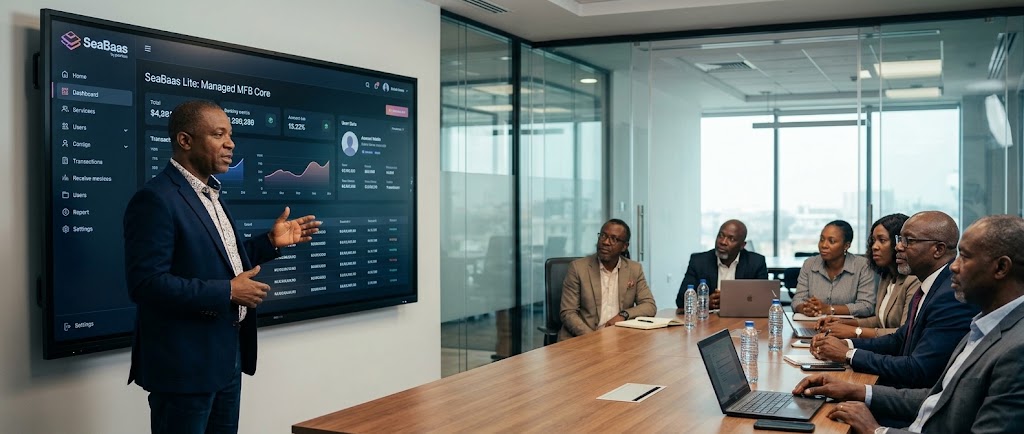
To survive the Open Banking era, your core banking system cannot be a walled garden. It must be a gateway. This is why we built SeaBaas. Unlike legacy systems that require expensive “middleware” to talk to the outside world, SeaBaas is API-first by design. It connects seamlessly to the fintech ecosystem. It allows your bank to plug into credit bureaus, identity databases, and proptech partners effortlessly.
2. You Need an Assembly Line, Not a Craft Shop
Speed requires automation. You cannot close a 28-million-unit housing deficit with manual processes. This is where Kusala comes in. Kusala is our business process automation software. It automates the documentation flows and verification steps that normally slow down underwriting. Instead of a loan officer manually checking if a name matches on three different documents, Kusala does it instantly.
3. You Need to See the Full Picture
To bank the “Invisible Borrower,” you need to see more than just a bank balance. You need behavioral insights. Xplorer CRM is designed to provide exactly this. It tracks customer interactions and behavioral data. This allows you to enrich your mortgage qualification process. When combined with the data ingestion capabilities of SeaBaas, Xplorer allows you to transition from manual decisioning to predictive, data-informed lending.
4. You Need Inclusive Finance
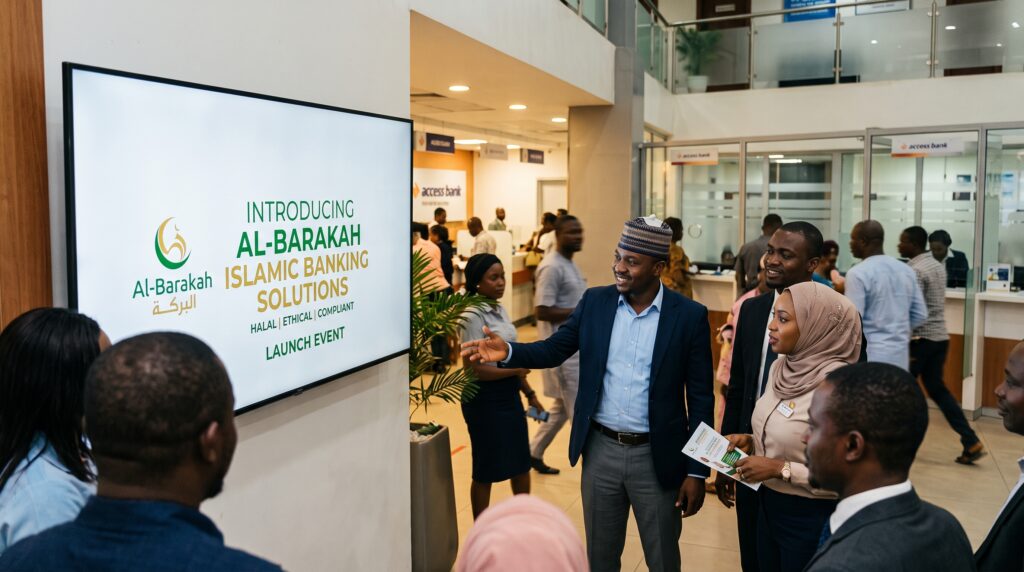
Finally, innovation must be inclusive. For our partners in the non-interest sector, we developed Mizan. It ensures that speed and security do not come at the cost of compliance. Mizan manages the complex workflows required for ethical, Shariah-compliant mortgages with the same agility as conventional loans.
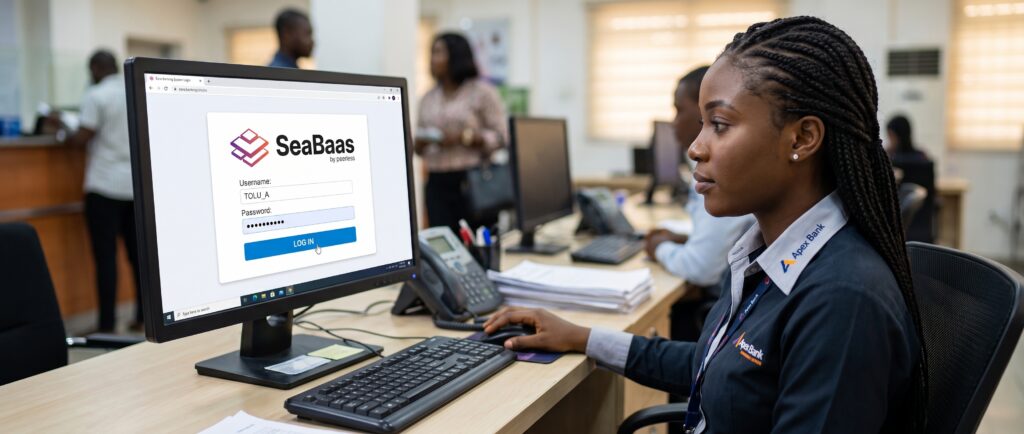
The future belongs to the institutions that build the right infrastructure now. It belongs to those who use tools like SeaBaas and Kusala to kill the paper chase and unlock the real value of the Nigerian market. The technology is here. The customers are waiting. It is time for the mortgage sector to log in.
Ready to transform your mortgage operations?
Don’t let legacy technology hold you back. Contact Peerless today to see how SeaBaas and Kusala can modernize your lending infrastructure.
This article was contributed by Dr. Joachim Adenusi, Co-Founder & CEO, Peerless.