
5 Core Banking Platforms for Microfinance Banks in Nigeria

For this guide, we ranked five platforms that are particularly relevant to the Nigerian microfinance market. The ranking focuses on what matters to an MFB operating in Nigeria.
Best Core Banking Software for African Banks in 2026/27

Choosing a core banking platform in Africa involves much more than finding software capable of processing deposits, loans and payments.
Pool-Based Profit Distribution in Islamic Banking: A Complete Guide to Mudarabah Profit Calculation

Pool-based profit distribution is the process of grouping eligible customer funds into defined investment pools, tracking how those funds are used, calculating the income earned by each pool, applying the bank’s agreed Mudarib share, and distributing the remaining profit to depositors according to the terms of the product.
What Microfinance Institutions Should Compare Before Switching Core Banking Systems

A core banking system can continue processing transactions long after it has stopped serving the institution well. That shouldn’t surprise anyone; it’s the reality we see daily in many microfinance […]
Post-Migration Benefits and ROI: Why Modern Microservices Matter for SeaBaas and Mizan

For institutions evaluating the post-migration benefits for SeaBaas and Mizan, the important question is what changes once the new core becomes part of everyday operations.
How Long Does It Take to Launch an Islamic Banking Product? A Benchmark Guide
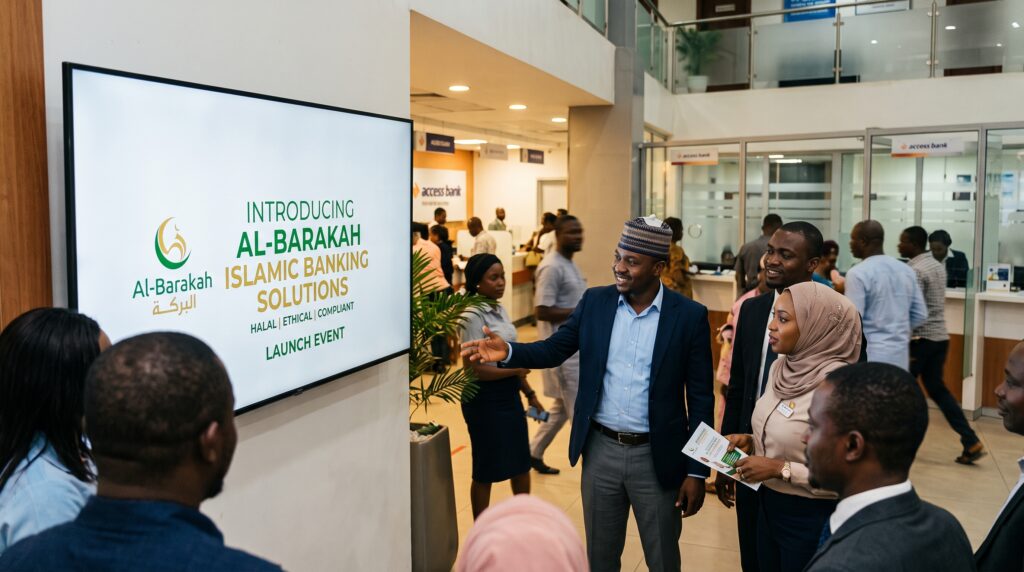
How Quickly Should an Islamic Banking Product Get to Market? A bank can have a strong product idea, Sharia approval, a clear target market, and customers waiting. Yet the product […]
SeaBaas vs Traditional Core Banking Systems: What Banks Should Compare Before Modernising

This guide compares SeaBaas with the characteristics commonly associated with older, traditional core banking environments.
Islamic Finance Contracts Explained for Banks and Financial Institutions

Islamic banking does not begin with a product name. It begins with a contract, and that contract defines how money moves, how assets are treated, how profit is earned, how risk is shared, how customers are obligated, and how the institution proves that the product follows approved Sharia principles.
The Hidden Risks of Running Islamic Products on a Conventional Core

Many Islamic and non-interest financial institutions start with a practical compromise. They run Islamic products on a conventional core banking system and manage the gaps manually using spreadsheets or approval […]
Islamic Finance Report: Unlocking The $7 Trillion Opportunity In Non-Interest Banking

Non-interest banking is no longer a specialist niche or a regional experiment. In 2024, global Islamic financial services industry assets reached 3.88 trillion dollars after a 14.9 percent year-on-year increase. […]