
Nigeria’s mortgage sector sits at a defining moment. We have a staggering 28 million-unit housing deficit and a rapidly urbanizing population, yet the sector contributes less than 1% to the nation’s GDP. Compare this to South Africa’s 30%, and the gap becomes a glaring question: Why are we underperforming despite the demand?
The answer lies not in a lack of ambition, but in a structural flaw in our foundation. For too long, Nigerian mortgage banks have relied on foreign core banking systems built for stable, western markets. These systems are rigid, expensive, and fundamentally misaligned with our local reality.
In our latest industry report, the Peerless WhitePaper for Mortgage Banking in Nigeria – birthed from an executive roundtable held with the Mortgage Banking Association of Nigeria (MBAN) in October 2025 – we dismantle these challenges and present a roadmap for a resilient, localized digital future.
This whitepaper is written for mortgage leaders prioritizing long-term competitiveness over short-term fixes.. Download here.
The Hidden Cost of “Foreign-First” Technology
For many executives, the purchase of a foreign software license is seen as a badge of quality. However, the operational reality often tells a different story.
- The FX Trap: Dollar-priced software licenses expose mortgage banks to severe volatility. Maintenance fees that banks easily afforded in 2020 have now tripled in Naira terms, draining capital they should instead use for lending.
- The Compliance Gap: Foreign systems struggle to adapt to local frameworks like the Mortgage Banking Regulations for Real Estate Investment Fund (MREIF). This forces banks into a cycle of manual workarounds and complex customizations just to meet CBN and NDIC reporting standards.
Maintaining legacy systems consumes up to 80% of IT budgets. This leaves little room for genuine innovation.
Why Localization is the New Competitive Advantage
The future belongs to institutions that can move fast. Localization goes beyond Naira payments; it requires infrastructure built for the Nigerian market.
We analyze the shift to a localized stack in the Peerless WhitePaper. See how SeaBaas and Kusala change the game:
- Regulatory Precision: Systems built for Nigeria come with native compliance for CBN directives, eliminating the risk of penalties and the fatigue of manual reporting.
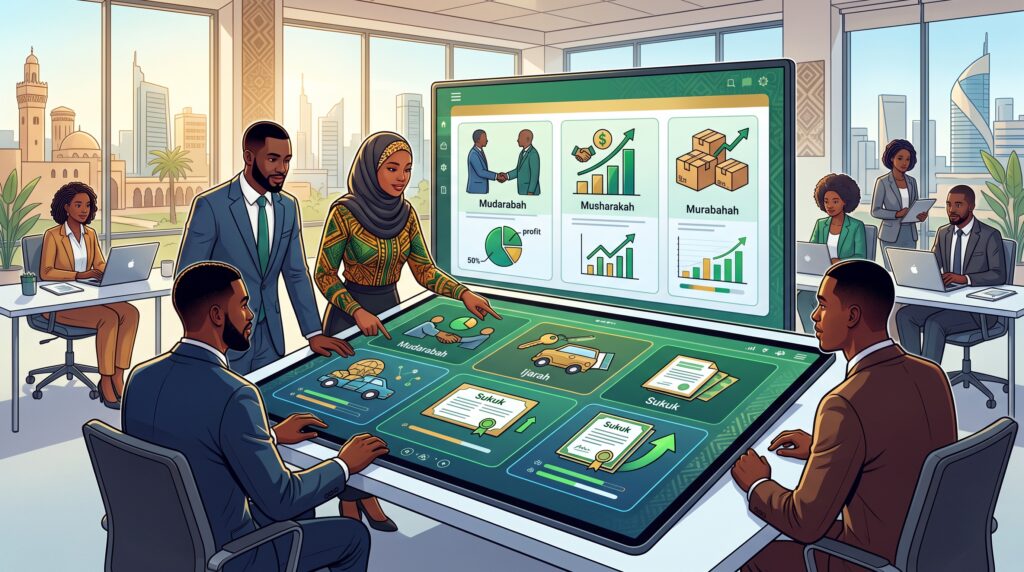
- Product Agility: Local platforms support unique market needs, such as Islamic Mortgage Finance. Our whitepaper explores how Peerless’s Mizan platform enables Sharia-compliant product creation without costly re-engineering.
- Data Sovereignty: With increasing data residency mandates, hosting your core infrastructure locally ensures you stay ahead of regulators like NITDA while improving system latency.
From 12 Weeks to Days: The Power of Automation
Perhaps the most critical insight from our roundtable discussions with industry leaders from Abbey, Jubilee Life, and Homebase Mortgage Bank is the need for speed.
Currently, mortgage processing in Nigeria averages 12 weeks due to paper-heavy workflows. This delay is a primary driver of customer churn. The whitepaper details how modular architecture automates origination, cutting approval times from weeks to days.
What You Will Learn in This Whitepaper
This document is more than a report; it is a strategic playbook for decision-makers. Inside, you will discover:
- Digital Infrastructure Economics: A breakdown of how localized tech improves ROE and reduces operational risk.
- The “Microservices” Strategy: How to automate specific processes (like credit checks) without ripping out your entire core immediately.
- Case Insights: Real-world examples of how technology transformation drives balance sheet growth.
- A Guide to Islamic Finance: Unlocking the multi-trillion dollar opportunity in ethical banking.
Why This Whitepaper Matters Now
Regulatory expectations are increasing. Borrower expectations are rising. Fintech-led lenders are moving faster. Mortgage banks that continue to operate on mismatched technology will find it harder to compete for customers, capital, and regulator confidence.
The Peerless WhitePaper for Mortgage Banking in Nigeria provides a clear, practical case for why digital infrastructure choices now belong in boardroom discussions, not just IT meetings.
It is not a product brochure. It is a strategic document designed to help mortgage leaders evaluate where their institutions stand and what structural changes are required to compete in the next decade.
Download the Whitepaper
If you are responsible for growth, technology, risk, or product strategy within a mortgage institution, this whitepaper offers clarity grounded in Nigeria’s realities.
Download the Peerless WhitePaper for Mortgage Banking in Nigeria to understand the true cost of legacy systems, the value of localization, and the roadmap toward scalable, compliant mortgage operations.